The Bitter Leaf Bonus: Why November's Toughest Greens Deserve a Place in Your Raw Bowl
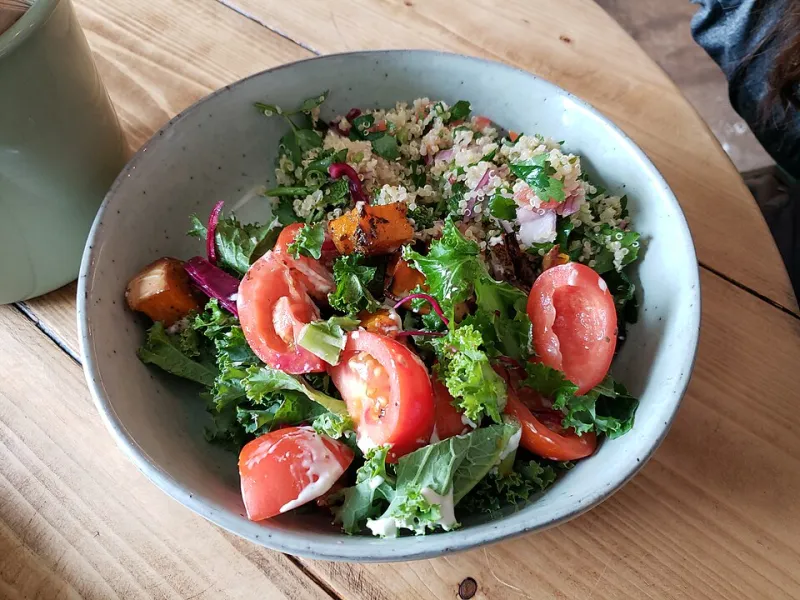
November salads have a reputation problem. Too often they are a handful of tired spinach, a few cherry tomatoes flown in from somewhere sunnier, and a dressing that apologises for itself. The result is worthy rather than wonderful. But there is another way, and it is sitting on the greengrocer's shelf looking slightly severe: chicory, radicchio, land cress and winter purslane.
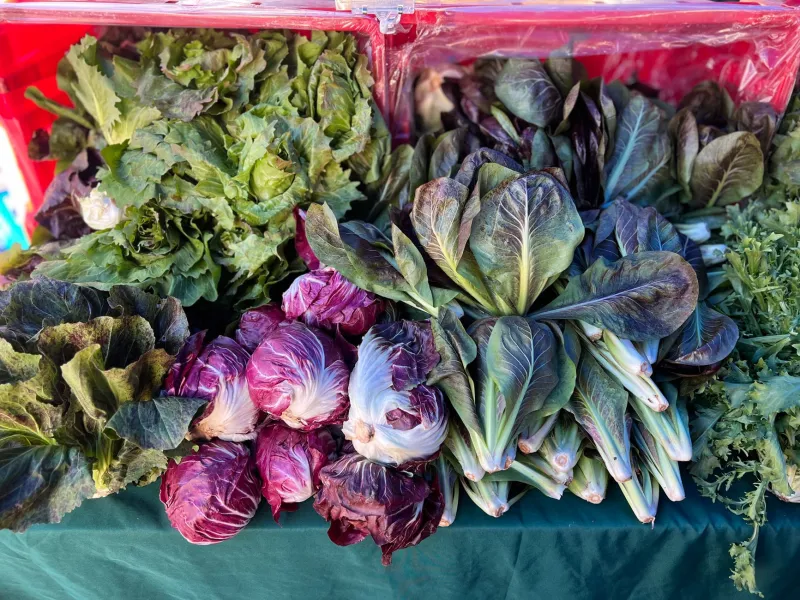
These are the leaves that taste like something. They bring bite, snap and a pleasant bitterness that wakes up a raw bowl instead of sending it to sleep. In a British winter, when the light is low and the produce list is shorter, that bitterness is not a flaw to conceal. It is the point.
Why bitter leaves belong in a raw kitchen
Bitterness gets a bad press because we are trained to treat it as a warning. In leafy vegetables, though, it is a sign of character. Chicory and radicchio have a firm, almost crunchy structure that holds dressing without collapsing. Land cress delivers a peppery hit that sits somewhere between watercress and mustard. Winter purslane is milder, fleshy and slightly succulent, with a gentle lemony edge.
Raw eaters in the UK often reach for spinach because it is familiar and soft. But spinach in November is frequently a shadow of its spring self: limp, watery and quick to turn slimy in the fridge. The bitter leaves above are built for the season. They travel well, keep for longer than you expect, and taste better cold and crisp than they ever would cooked to death.
There is also a practical argument. A raw bowl needs contrast. If every ingredient is sweet, soft or neutral, the whole thing becomes mushy. Bitter leaves provide the structure — the equivalent of a good crust on bread, or the sharp edge of a pickle. They make the rest of the bowl taste more like itself.
The four-part balance: fat, salt, acid and sweetness
You do not need a recipe to make bitter leaves work. You need a dressing strategy. Think of four dials and turn them until the bowl tastes complete.
Fat softens the bitterness and carries flavour. Olive oil is the obvious choice, but a spoonful of tahini, a cashew cream or a little avocado does the same job with more body. Salt makes the leaves relax without going limp. Use flaky sea salt and add it just before serving, not an hour ahead. Acid cuts through the fat and sharpens the whole bowl — lemon juice, cider vinegar, a splash of pickled beetroot brine. Sweetness rounds off the bitter edge. That can come from grated apple, pear, roasted squash, dried fruit or a little maple syrup in the dressing.
A useful starting point: three parts oil, one part acid, a small spoon of something sweet, and a good pinch of salt. Taste it on a leaf, not on your finger. Adjust until the leaf tastes lively rather than harsh.
Where to find them in the UK in 2026
These leaves are not exotic, but they are not supermarket staples either. Independent greengrocers are your best bet, especially those serving Italian and wider European communities. Look for radicchio in red and pink varieties, puntarelle-style chicory in tight heads, and land cress sold in small bunches or bags. Winter purslane — sometimes called miner's lettuce — turns up at farmers' markets and in seasonal veg boxes.
Market stalls in cities with good food cultures are worth a Saturday morning. Borough Market in London, the Stroud Farmers' Market, Manchester's Levenshulme Market and similar spots often have growers who carry winter salad leaves. Italian delis frequently stock radicchio when the supermarket version is pale and expensive. And if you subscribe to a UK veg box in 2026, ask for the winter salad option rather than the standard bag of spinach.
Storage that keeps the snap
Bitter leaves are tougher than soft lettuce, but they still need care. Radicchio and chicory should be kept whole, wrapped loosely in a damp tea towel or a paper bag, and stored in the fridge drawer. Do not seal them in a plastic bag while wet — that invites rot. Land cress and purslane are more delicate: trim the ends, stand them in a glass with an inch of water if you have room, or wrap them in damp kitchen paper and use within three or four days.
Wash only what you are about to eat. Excess water is the enemy of crispness. If a leaf has gone limp, a five-minute bath in iced water will usually bring it back, but do not leave it there — the flavour leaches out.
Prep without losing the point
Radicchio and chicory can be shredded finely or separated into whole cups. Cutting them smaller makes the bitterness more pronounced, so if you are new to these leaves, start with larger pieces. Land cress and purslane should be torn or left whole. Dressing goes on at the last minute, and salt goes on last of all.
A brief ice bath is fine for reviving, but do not soak bitterness away. That is the flavour you paid for.
Three November bowls that make bitterness bold
Chicory, pear and walnut bowl. Shred two heads of chicory and toss with sliced pear, toasted walnuts and a mustard-maple dressing. Add a spoon of cashew cream or a crumbling of plant-based cheese if you want richness. The pear does the sweetening, the mustard does the sharpening.
Land cress, apple and tahini bowl. Roughly chop a bag of land cress and mix with grated apple, sunflower seeds and a lemon-tahini dressing. Finish with flaky salt. This is the bowl to make when you want something that tastes green and alive rather than heavy.
Winter purslane with beetroot and orange. Toss purslane with cooked beetroot cut into wedges, orange segments, pumpkin seeds and a cider vinegar dressing. The purslane's gentle succulence handles the beetroot's earthiness, and the orange keeps everything bright.
A final word on worthiness
Raw winter eating does not have to mean denial. Bitter leaves are not a penance — they are a pleasure once you learn to dress them properly. They cost less than imported berries, last longer than spinach, and make a November lunch feel deliberate rather than desperate. Give them a chance, and your raw bowl will stop apologising for the season.