Cold Bowl, Warm Spices: A No-Cook Christmas Pudding for the 2026 Stir-Up Sunday
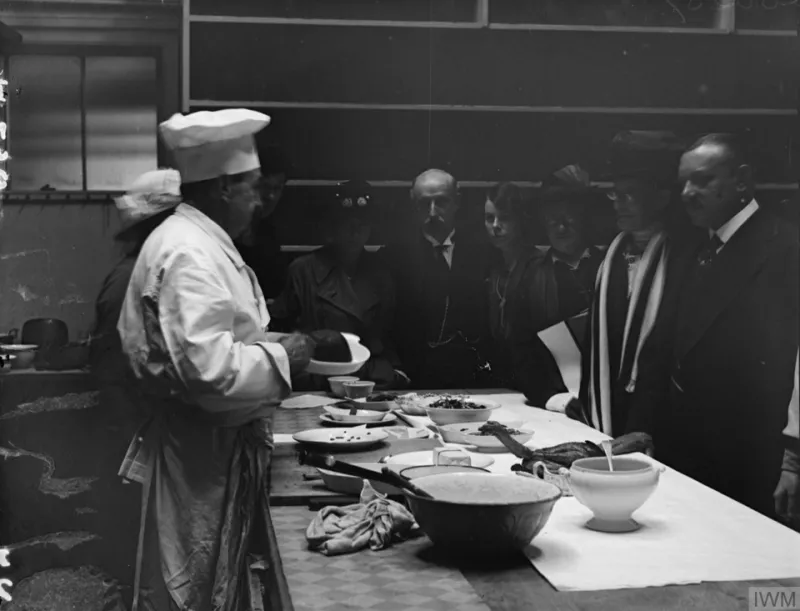
Photo: Horace Nicholls, Public domain, via Wikimedia Commons
There is a particular sound to Stir-Up Sunday: a wooden spoon knocking against the side of a basin, dried fruit rattling, someone saying it is your turn to stir. The smell usually comes later, from a steamer or an oven. This year, it does not have to. Stir-Up Sunday falls on 22 November in 2026, and you can keep the bowl, the spoon and the wish without ever turning on the hob.
This is not a stealth health food. A Christmas pudding is dried fruit, sugar, spice and fat, and a no-cook version is still all of those things. What it lacks is suet, steam and an afternoon of watching a pan. What it gains is a texture that is firmer and more candied than a steamed pudding — closer to a pressed fruit cake, or a very good energy bite that has put on its Christmas clothes. Serve it in thin slices. A little goes a long way.
What this pudding is, and what it is not
Let us be clear about the word raw. This is a no-cook pudding, not a badge of nutritional purity. Some dried fruit is dried at low temperatures and some is not; some people count it as raw and some do not. The point here is that nothing is steamed, boiled or baked. The mixture is built cold, pressed into a basin and left to settle in the fridge. It is plant-forward, it is made from ingredients you can find in any UK supermarket, and it is honest about being a treat.
It is also not a direct swap for a traditional pudding. There is no suet to melt into the crumb, no long steam to soften the fruit. So the job is to build a mixture that holds together when cold and slices cleanly when pressed. That means dates for stickiness, ground almonds for structure, a little coconut oil for set, and dried fruit that has had time to plump in something sharp.
The texture problem: sticky, not sloppy
The mistake with a no-cook pudding is adding too much liquid because the mixture looks dry. Dried fruit is not dry. It will release moisture as it sits, especially once it has been chopped and mixed with citrus zest and juice. Start conservative. You can always add another spoonful of orange juice; you cannot take it out.
A good baseline for a one-litre pudding basin is around 500g mixed dried fruit — sultanas, raisins, currants, chopped apricots — plus 250g pitted dates, 100g ground almonds, 50g chopped nuts, the zest of an orange and a lemon, and a generous teaspoon of mixed spice. Add a tablespoon of coconut oil, melted but not hot, and two to three tablespoons of cold tea or orange juice. Pulse half the fruit and dates in a food processor until they form a rough paste, then stir through the rest by hand. You want some whole fruit for texture and some paste for bind.
Press it into the basin firmly. Really firmly. Air pockets are the enemy of a sliceable pudding. Cover and chill for at least 24 hours before you judge it. If it crumbles when sliced, stir in a little more date paste. If it feels wet, add ground almonds. It should hold a spoon mark and cut into wedges without collapsing.
The method, in plain terms
Line a pudding basin with a double layer of cling film, leaving plenty of overhang. Chop the dates roughly, then blitz half of them with half the dried fruit until sticky. Tip into a large bowl and add the remaining fruit, ground almonds, chopped nuts, zest and spices. Stir well. Add the coconut oil and enough tea or juice to bring it together — but stop while it still looks a little firm. Taste a small piece and adjust the spice; cold mixtures taste less sweet and less spiced than warm ones.
Pack the mixture into the basin, pressing down with the back of a spoon. Fold the cling film over the top and press again. Chill for 48 hours if you can. On the day, unwrap, invert onto a plate and tap the basin. It should slide out in one piece. Decorate with whole nuts, candied citrus peel or a few bay leaves. If you want a little shine, brush with a spoon of warmed apricot jam — though that is a small act of cooking, so skip it if you are keeping the no-cook rule absolutely.
Make it ahead for the festive week
Stir-Up Sunday is not really about eating pudding that day. It is about getting the job done early enough that Christmas feels less like a scramble. This pudding will keep, covered, in the fridge for around five to seven days. It also freezes well: wrap the unmoulded pudding in greaseproof paper and then foil, freeze for up to a month, and thaw overnight in the fridge. That makes it a useful thing to make on 22 November and forget about until Christmas Eve.
If you want to give it as a gift, use small basins or ramekins and line them with baking parchment. A wedge of this pudding with a jar of the cold cashew cream below is a good homemade present for someone who has enough chutney already.
Keeping the ritual without the steam
The old tradition is simple: everyone in the house stirs the mixture and makes a wish. You can do exactly that with a cold bowl. Use a wooden spoon, start from the same direction, and let everyone have a go. If you want to include the old coin, wrap it in baking parchment and tell your guests which pudding it is in. A whole blanched almond wrapped in paper is a gentler alternative. The wish is the point, not the steamer.
What you lose is the long, damp afternoon of the pudding steaming on the stove. What you keep is the pause. A cold pudding still asks you to stop, measure, stir and wait. It still makes the kitchen smell of orange and spice, even without heat. And it still gives you something to bring out at the end of the meal, in thin slices, with a spoonful of something cold.
Serving it without pretending
Serve this pudding cold, in thin wedges, with a raw-style brandy cream: soaked cashews blitzed with a little maple syrup, orange zest and a splash of brandy or orange juice. If you are avoiding alcohol, use vanilla and a squeeze of lemon. A sharp cranberry compote cuts through the sweetness. Do not serve it warm — it will soften and lose its shape. This is a pudding for the fridge, not the steamer.
And do not sell it as something it is not. It is dense, fruity, spiced and sweet. It is a once-a-year slice, not a breakfast. But it is also a way to keep a British ritual alive in a raw and plant-forward kitchen, without pretending that Christmas pudding was ever a health food. Stir the bowl. Make the wish. Put it in the fridge. That is enough.