The Cold Shelf That Saves the Week: A Raw Cook's Guide to the Freezer Drawer
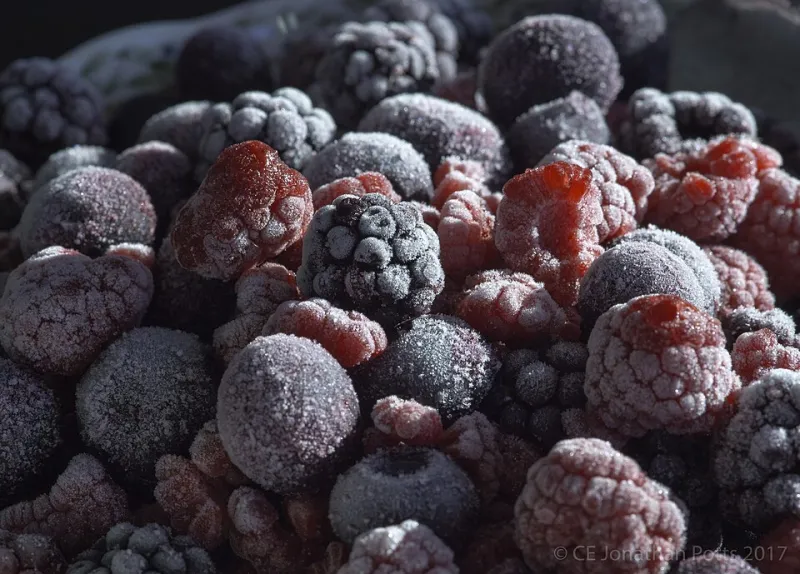
Photo: I saw_that, Public domain, via Wikimedia Commons
There is a bag of peas at the back of your freezer and a film of ice on the top of the drawer. We know. Most freezers in the UK are used as a holding pen for oven chips and forgotten bread, which is a shame, because the same box of cold air is the single best piece of equipment in a raw kitchen.
Not because freezing is a compromise. Because freezing is a pause button, and raw cooking is often a race against time.
Freezing is a pause button, not a punishment
Nothing about freezing damages food in itself. It slows the enzymes and the microbes that cause spoilage to a near standstill and holds the ingredient exactly where you left it. What does damage texture is ice. As water in the cell walls freezes, crystals form, and big crystals puncture the structure. Thawed, those cells leak — which is why a frozen strawberry slumps into a puddle on the plate.
The practical lesson: freeze fast, freeze small, and freeze spread out. Home freezers are not blast chillers, so a whole punnet of strawberries stacked in a tub will freeze slowly and badly, while the same berries spaced on a tray will freeze quickly and hold their shape far better. Once they are solid, tip them into a bag. Cold air needs to reach every piece.
What freezes beautifully
British berries. Strawberries, raspberries, blackcurrants, redcurrants and gooseberries all freeze well if you tray-freeze them first. Buy them at their peak in June and July, ideally from a pick-your-own or a market stall selling off the last of the day's stock, and freeze within hours. They will not be good defrosted for eating fresh — they weep — but they are excellent blended into smoothies, cooked briefly into a coulis, or stirred half-frozen into yoghurt. Frozen British berries are also worth buying in winter: they were picked here at their best, they cost less than air-freighted imports, and they have given up nothing in flavour.
Bananas. Peel them, break into chunks, freeze flat. This is the workhorse of the raw kitchen: blended alone it becomes something close to soft-serve; blended with cocoa and a splash of plant milk it is a dessert.
Hard herbs. Rosemary, thyme and sage freeze reasonably on the branch and can be crumbled straight into dressings. Soft herbs are trickier.
Ginger, chilli and garlic. Grate ginger and freeze in ice cube trays, or freeze whole and grate from frozen. Same for chillies. Garlic cloves freeze whole and slice from frozen without much loss.
Citrus zest and juice. Zest before juicing, freeze the zest in a small tub, freeze the juice in cubes. Two cubes is roughly a lemon's worth.
Blended bases. Cashew cream, nut milks, smoothie bases, gazpacho. Freeze in portions you will actually use.
What turns to mush, and what to do instead
Salad leaves, cucumber, celery, radish and tomatoes all collapse on thawing — their water content is simply too high. If you have a glut, freeze them for blending or cooking, never for a salad. Avocado freezes only as a purée with lemon, never as slices. Courgette freezes badly raw; grate it and squeeze the water out first if you must.
Soft herbs are the interesting middle case. Basil and coriander lose their colour and their structure in the freezer but keep much of their flavour if you blitz them with oil and freeze the paste in cubes. Parsley survives chopping and freezing reasonably well. Whole leaves in a bag turn to dark slime, so do not bother.
Spinach and kale are the greens worth freezing. Both will be limp on thawing, which rules them out of salads but makes them perfect for smoothies and raw soups. Kale benefits from a quick massage with lemon before freezing; it breaks down the fibres so the blender does not have to.
The smoothie pack method
This is the single habit that will save you the most money and the most morning minutes. Instead of freezing ingredients separately and reassembling them half-asleep, build the whole smoothie in a bag.
A reliable formula per pack: about 100g of fruit (berries, banana, mango), a small handful of greens (30g of spinach or massaged kale), a tablespoon of seeds or nut butter, and a flavour booster — a knob of ginger, a few mint leaves, a squeeze of lemon juice frozen in with it. Squeeze the air out, flatten the bag so it stacks, and label it with the date and what is inside.
Do not add liquid before freezing. Add it at the blender. Packs are best within three months for flavour, though they remain safe far longer at a steady minus eighteen.
Raw dessert bases that behave
Soaked cashews are the backbone of most raw cheesecakes, and they freeze well once blended: drain, blend until completely smooth, and freeze in tubs or silicone moulds. A date-and-oat or date-and-nut crust pressed into a lined tin freezes solid and can be lifted out and filled later. Whole assembled cheesecakes freeze beautifully — slice them before freezing and you can take out one portion at a time, which is a genuine kindness to your future self on a Tuesday night.
For something simpler, frozen banana chunks blended with a splash of plant milk and a spoonful of cocoa make a soft-serve that needs nothing else. Add a handful of frozen raspberries and it turns into something you would pay good money for on a cold walk.
Labels, portions and rotation
Masking tape and a marker cost almost nothing and prevent most freezer tragedies. Write the contents and the date on every bag and tub, and keep a shallow basket at the front for things that need using first.
Keep the freezer at minus eighteen or below, and buy a cheap thermometer to check — most drawers are running warmer than you think. Do not overfill the space; cold air has to circulate. Chill food in the fridge before freezing it, and freeze in flat, thin portions rather than one enormous block.
The money argument
British households throw away a shocking amount of food every year, and most of it is fruit and vegetables that were bought with good intentions and lost to a busy week. The freezer is the cheapest fix available. A bag of reduced-price bananas at the end of the day becomes a fortnight of breakfasts. A punnet of raspberries that will not last the night goes on a tray and into a bag. A glut of spinach from the allotment gets massaged, bagged and blended in February.
Frozen berries and frozen greens are usually cheaper per gram than their fresh equivalents in winter, and often better, because they were frozen at the moment they were at their best rather than shipped across the world in a chilled container.
Safety, briefly
Freezing pauses bacteria, it does not kill them: treat thawed food exactly as you would the fresh version. Freeze fresh produce promptly rather than after three days in the fridge. Thaw overnight in the fridge, not on the radiator. Do not refreeze raw items that have already been thawed, though a dish cooked after thawing can be frozen again. Keep raw and ready-to-eat items separate, and use within the times you wrote on the tape.
Start with one drawer
You do not need a chest freezer or a spreadsheet. Clear one shelf, buy a roll of masking tape, and commit to freezing the things that would otherwise be binned this week. Build three smoothie packs and one tub of cashew cream. Do that for a month and the freezer stops being a graveyard and starts being the reason you can make a decent breakfast in ninety seconds on a dark November morning.