Six Things That Grow in the Dark: A November Windowsill Plan for Tiny Kitchens
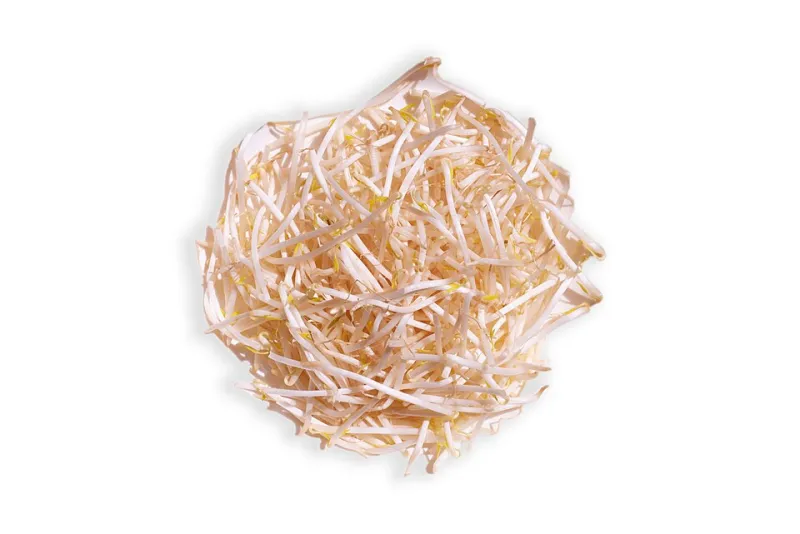
Photo: photobeast, CC BY-SA 4.0, via Wikimedia Commons
November is the month the salad drawer gives up. The bags of leaves go slimy by Wednesday, the tomatoes taste of not very much, and the supermarket wants two pounds for a punnet of something that has travelled further than you have this year. Meanwhile, on your windowsill, there is a jam jar doing absolutely nothing.
It could be doing sprouts.
Why sprouting suits a British November
Sprouts and microgreens do not need sunlight the way a tomato plant does — they need warmth, water and a rinse every twelve hours. The green that develops on the leaves is a bonus, not a requirement. So while the daylight is gone by four in the afternoon, a jar of lentils on the kitchen counter is quietly turning into lunch.
The other appeal is the maths. A 500g bag of green lentils costs around a pound and will give you six or seven jars' worth. The same money buys one modest bag of mixed salad. If the weekly shop has been making you wince, this is the cheapest fresh thing you can put on a plate in Britain between now and March.
The kit (all of it optional, mostly)
You need a clean glass jar, a piece of muslin or a clean tea towel with an elastic band, and a spot that is not directly over the radiator. A jam jar with a lid you have pierced a few times works just as well. For pea shoots and radish you will want a shallow tray and a couple of centimetres of compost, which is about as much gardening as most rented kitchens allow.
The routine, which is the whole method
- Rinse a couple of tablespoons of seeds or beans, pick out anything broken, and put them in the jar.
- Cover with plenty of cool water and soak overnight — eight hours is plenty for most.
- Drain through the muslin, shake out the excess water, and leave the jar on its side so the seeds spread in a single layer.
- Rinse with cool water twice a day — morning and evening — and drain again. This is non-negotiable.
- Harvest when the tails are a centimetre or two long and the leaves, if any, have opened.
Three to five days, usually. The whole thing takes about ninety seconds a day.
Six crops worth your windowsill
Green lentils. Two tablespoons, three days, no light needed. Firm and peppery, brilliant in a wrap with hummus. The most forgiving crop on this list, and the one to start with.
Mung beans. The classic. Soak overnight, rinse twice daily for three to four days. Mild and crunchy; good in a bowl with soy, sesame and something sharp.
Fenugreek. Small seeds, big flavour — curry leaf, a whisper of maple, a slight bitterness. Three days. Use sparingly; a spoonful scattered over soup or folded through a salad is plenty.
Alfalfa. Tiny seeds, fine tangled sprouts, four to five days. Give them a bit of light on the final day to green up. Mild and grassy, the closest thing to a salad bag you will grow indoors.
Radish. Two to three days for sprouts, longer in a tray if you want microgreens. Hot and peppery, and the answer to a bland January sandwich.
Pea shoots. Marrowfat peas, a shallow tray, damp compost, a week to ten days. Cut with scissors when they are 8-10cm tall. Sweet, crunchy, and far better than anything in a plastic bag.
Food safety, briefly but properly
Sprouts grow in warm, damp conditions, which is exactly what bacteria like too. The UK Food Standards Agency advises that people who are pregnant, elderly, very young or immunocompromised should avoid raw sprouts entirely and cook them instead. For everyone else, a few rules keep things sensible:
- Rinse twice a day, every day, without fail.
- Drain properly; sprouts sitting in water go sour and slimy.
- Keep the jar somewhere cool-ish and out of direct sun.
- Refrigerate once harvested and eat within three or four days.
- If it smells wrong or looks slimy, bin it. Do not negotiate.
How to actually use them
Sprouts are not a garnish. Treat them as the crunch in the sandwich, the bulk in the wrap, the thing that stops a bowl of grains feeling like penance. A handful of lentil sprouts with mashed avocado and pickled onion in a wrap is a proper lunch. Mung beans tossed with sesame oil, rice vinegar and chilli flakes make a five-minute side. Pea shoots go on top of everything, and radish sprouts cut through anything rich.
And in a month when the salad aisle is at its most depressing, there is something quietly satisfying about a lunch that grew two feet from the kettle. Start with lentils. Add a second jar a few days later. By December you will have a rotation going, and the supermarket salad bag will feel like a choice rather than a necessity.