Porridge Weather, Smoothie Logic: Why Raw Breakfasts Leave You Starving by Ten
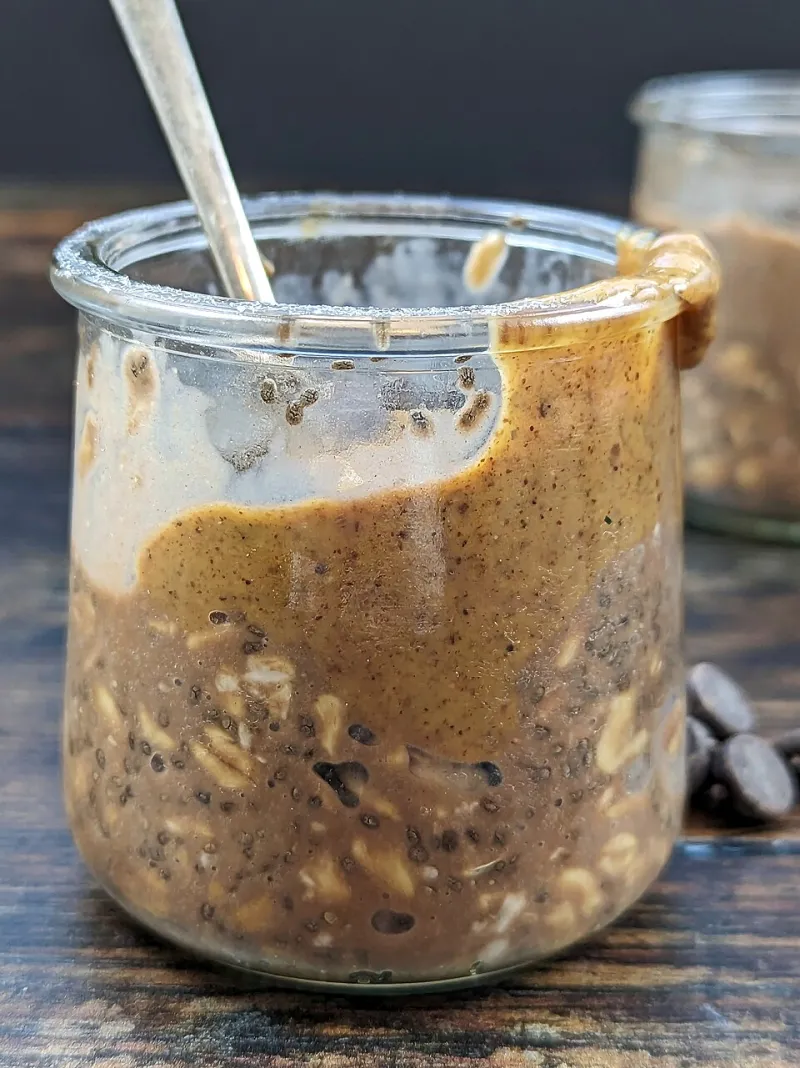
Photo: Nervy8924, CC BY-SA 4.0, via Wikimedia Commons
There's a specific kind of British morning in November. The sky is the colour of a wet flannel, the radiator has only just woken up, and you have had a mango and spinach smoothie for breakfast because a video told you it would make you glow. By ten o'clock you are standing in the office kitchen with the biscuit tin open, feeling quietly betrayed.
That is not a discipline problem. It is closer to a physics problem — or at least a digestion one. And once you see why it happens, the fix is genuinely easy: you don't need more breakfast, you need a breakfast built differently.
Fruit is volume, not staying power
Most raw breakfasts are built on fruit, and fruit is wonderful. It is also mostly water and carbohydrate, with very little protein or fat and a modest amount of fibre. A banana, a handful of berries and a splash of oat milk in a blender gives you a big glass of something that weighs a lot and satisfies for about forty minutes.
Blending makes it worse, in a quiet way. Chewing is part of how your body registers a meal; a smoothie skips that entirely and empties out of the stomach faster than the same ingredients eaten with a spoon. You get a quick rise in blood sugar, a quick dip, and a hunger that arrives with unusual confidence.
What 'satisfying' actually means
Satiety — the feeling of being done with food for a while — comes from a few fairly boring things:
- Protein, which slows stomach emptying and nudges the gut hormones that signal fullness.
- Fat, which does the same job more slowly and carries flavour with it.
- Fibre, especially the sticky, soluble kind, which thickens in the gut and buys you time.
- Texture and chewing, which nobody mentions and everybody underestimates.
- Volume, which matters, but only alongside the other four.
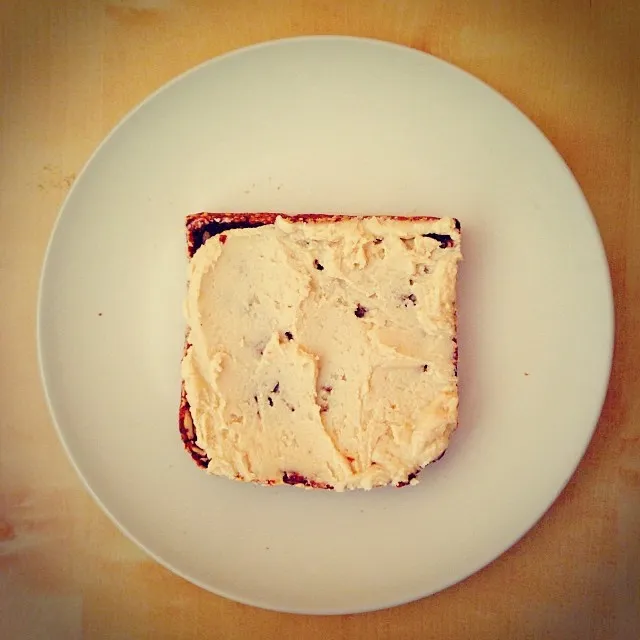
A fruit smoothie has volume in spades and very little of the rest. A bowl of soaked oats with nuts, seeds and a spoon of yoghurt-style cultured cashews has all five. That is the entire argument, really.
Why November makes it worse
Cold, damp mornings do two things. They make hot, denser, more comforting food feel appealing rather than optional, and they shrink the fruit drawer. In July you can build a breakfast on peaches and raspberries and feel clever. In November the good seasonal options are apples, pears, forced rhubarb from January, frozen berries and whatever citrus is on offer. Those are fine ingredients, but they are not sweet enough to carry a meal alone — and if you try, you will be reaching for something else by mid-morning.
There is also the light. Fewer bright mornings, more time indoors, and a body quietly asking for something sturdier than a drink.
Five fixes that work on a damp Tuesday
1. Overnight oats with grated pear and chia. Fifty grams of oats, a tablespoon of chia, 150ml of oat milk, a grated pear, a pinch of salt. Soak overnight. In the morning stir through a tablespoon of almond or peanut butter and a spoon of cultured cashew yoghurt. The chia and oats bring soluble fibre, the nut butter brings fat, and the pear brings sweetness without a blood-sugar cliff.
2. The cultured cashew bowl. Blend 150g of soaked cashews with 100ml water, a squeeze of lemon and a pinch of salt, then leave it somewhere cool for a day to thicken and sharpen. Spoon it into a bowl with thawed frozen berries, a spoon of ground flax and a handful of walnuts. It eats like yoghurt and lands like a meal.
3. The cracker plate. This is the one nobody expects to work. Two oat or seed crackers, a thick layer of nut butter, sliced apple, a few pumpkin seeds. It takes ninety seconds and it holds until lunch because it is dense, fatty and requires actual chewing.
4. The smoothie that eats like a meal. Keep the smoothie if you love it, but change the recipe: a banana, a handful of frozen berries, 30g of oats, a tablespoon of tahini, a tablespoon of ground flax and 200ml of milk or a kefir-style cultured liquid. Then — and this is the important bit — eat something crunchy alongside it. A few almonds, half a cracker. The texture changes how full you feel.
5. Chia pudding with apple and cinnamon. Three tablespoons of chia, 200ml of oat milk, a grated apple and a generous pinch of cinnamon, left overnight. In the morning, top with chopped hazelnuts. Cheap, no-cook, and it behaves like porridge without needing a hob.
The takeaway
None of this is a case against fruit. It is a case against fruit doing a job it was never built for. A raw breakfast holds when it has texture, fat and fibre — not just volume. Get those three in, ideally before you have finished your first coffee, and ten o'clock stops being a crisis.
And if you do end up at the biscuit tin? Have the biscuit. Just put a spoon of chia in tomorrow's bowl.