Grey Sky, Bright Bowl: The Raw Eater’s Winter Sunlight Ledger

Photo: Espresso Addict , CC BY-SA 2.0, via Wikimedia Commons
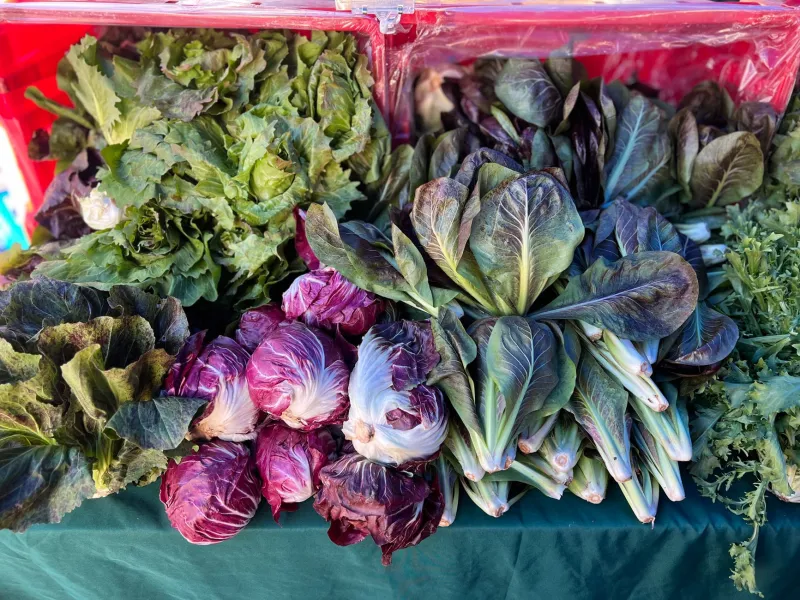
By mid-November 2026, the British sky has settled into its familiar grey-jumper phase. The greengrocer still has colour: crimson cabbage, pale celeriac, forced rhubarb later on, citrus piling up like small suns. A raw bowl can look like a defiance of the season. And yet there is one part of winter that a beautiful plate cannot shave, salt or blend its way around: sunlight.
This is not a scare story, and it is definitely not an excuse to turn lunch into a supplement advert. It is a conversation raw eaters in the UK need to have — calmly, practically and with a decent dressing. Vitamin D is the bit of winter nutrition that asks for a little admin. The good news is that a raw, plant-forward kitchen can rise to it without losing its crunch.
The bit of sunlight your body is looking for
Vitamin D helps the body absorb calcium and supports bones and muscles. Most of it is made when skin is exposed to ultraviolet B light from the sun. In the UK, that route is compromised from roughly October to March: the sun sits too low, the UVB is too weak, and most of us are wrapped up anyway. Cloud cover, office days, darker skin tones, covered skin and sunscreen all affect how much we make.
That is why UK government advice is not to rely on winter sun. NHS guidance recommends that adults and children over one consider taking a daily supplement containing 10 micrograms of vitamin D during autumn and winter. Some people — including those with darker skin, those who cover their skin, older adults and people who spend a lot of time indoors — are advised to take it all year. This is general guidance, not a diagnosis. If you are unsure, a pharmacist or GP is the sensible stop.
The raw-food point is simple: a diet heavy in fresh plants can be wonderfully vibrant, but it does not make you immune to the UK’s winter light problem. Nor does it mean you have failed at raw eating if you follow NHS advice. A bowl of shredded roots and a government recommendation can coexist.
Raw mushrooms: useful, but not a magic punnet
Mushrooms are the raw-food world’s favourite vitamin D talking point, and with good reason. Some mushrooms can produce vitamin D2 when they are exposed to ultraviolet light. In the UK, you will sometimes see packs labelled as UV-treated or vitamin D enhanced. That is genuinely useful — but the label matters.
Not every mushroom on the shelf has been treated that way, and the amount can vary. If you enjoy raw mushrooms, treat them as a food to check rather than a winter cure-all. Slice them thinly into a salad with lemon, salt and a little olive oil; their savoury, spongy texture works well against crisp cabbage or parsley. Just do not assume that a standard punnet is doing the same job as a fortified food or a supplement. Read the pack, enjoy the mushroom, keep the expectation reasonable.
Seeds are brilliant. They are not sunshine.
Sesame, pumpkin, sunflower, flax: raw eaters love a seed sprinkle, and so do I. They bring texture, minerals and a pleasingly thrifty energy to a bowl. But seeds are not a reliable source of vitamin D. A tablespoon of mixed seeds is a lovely thing; it is not a substitute for winter sunlight or NHS guidance.
This is where raw-food enthusiasm can get a bit muddled. We are used to treating whole foods as the answer to everything, and often they are a big part of the answer. But vitamin D is one of those nutrients where fortification and supplements exist for a reason. That is not a philosophical defeat. It is just British winter doing its thing.
The fortified shelf is not a cop-out
Fortified foods can make a real contribution, and they fit neatly into a raw kitchen. Fortified plant milks, plant yoghurts, spreads and some breakfast cereals carry added vitamin D. Check the label: look for vitamin D per 100ml or per serving, and remember that “plant-based” does not automatically mean fortified. Some organic versions are not.
In raw terms, this is easy to work with. Use fortified oat or soya milk in a smoothie. Thin fortified plant yoghurt with lemon juice and tahini for a dressing over grated carrot and cabbage. Spread fortified margarine on oatcakes or raw crackers. Add a fortified cereal to a yoghurt bowl if that is your breakfast style. None of this is glamorous, and it does not need to be. It is the quiet shelf that keeps a winter plate honest.
A raw winter lunch that carries its weight
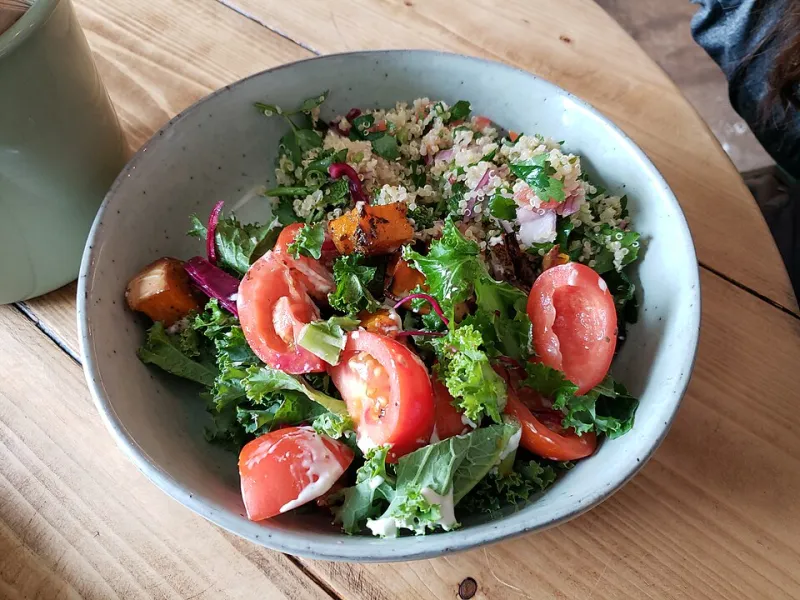
Think of it as a formula rather than a recipe: something crisp, something creamy, something sharp, something savoury. Shredded white cabbage and beetroot; thinly sliced UV-treated mushrooms if you like them raw; a dressing of fortified plant yoghurt, lemon, tahini and a pinch of salt; toasted seeds for crunch; parsley or dill for lift. Add cooked grains or beans if that is part of your raw-ish approach. It is bright, filling and unbothered by the grey outside.
But keep the ledger honest: this lunch is not a sunlight replacement. It is a good meal alongside sensible winter vitamin D thinking. That might mean a daily 10-microgram supplement, as per NHS guidance, or a conversation with a pharmacist if you are unsure. It might mean checking your fortified milk actually says fortified. It definitely means not megadosing because a podcast told you to.
When to check NHS guidance
If you are housebound, cover your skin for cultural or medical reasons, have darker skin, are older, or spend most of the day indoors, the all-year advice may apply to you. If you are pregnant, breastfeeding, or managing a health condition, get individual advice rather than guessing from a food blog. The NHS vitamin D pages are clear and free; a pharmacist can help you choose a sensible product. This article is not medical advice — it is a nudge to use the proper sources.
Keep the plate bright, keep the admin light
The joy of raw food is that it makes winter feel less beige. It gives you crunch when the world wants stew. But part of looking after yourself in a British winter is admitting that the sun has clocked off and the body may need a little practical help. That is not a failure of the raw ethos. It is just good kitchen sense.
So keep the bright bowl. Keep the lemon, the herbs, the fortified yoghurt dressing and the UV-treated mushrooms if they earn their place. Then let vitamin D be a small, unromantic errand — check the label, follow NHS guidance, ask if unsure. The grey sky can stay grey. Your lunch can still be gold.