Cold Hands, Crisp Lunch: The Raw Rucksack Plan for British Winter Walks
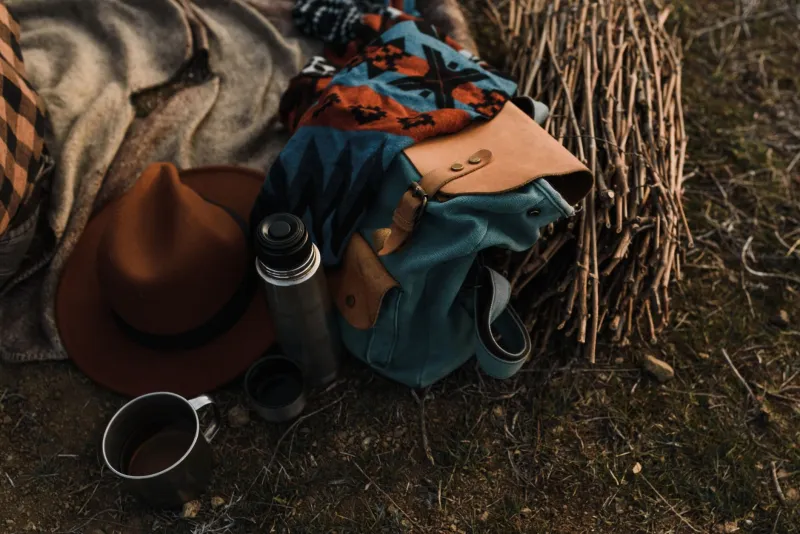
There is a particular kind of British winter walk that begins with optimism and ends with a damp sandwich. You set off under a grey sky, convinced that a brisk loop around a National Trust estate will be bracing rather than brutal. Two miles later, the wind has found the gap in your coat, your fingers have stopped cooperating, and the lunch you packed is either sweating in cling film or frozen solid. A raw lunch needs a different approach.
The good news is that raw food is not automatically delicate. It just needs structure. Think less "side salad in a tub" and more "rucksack with a plan": a slaw that can take a knock, a handful of something dense and savoury, and a flask of blended soup that stays put. This is everyday food for people who would rather be outdoors than in a carvery, and it costs less than a round of hot drinks at the cafe at the end.
Start with a slaw that can survive a hill
Leafy salads are a poor fit for a winter walk. They bruise, they wilt, and they seem to attract condensation. A shredded slaw is far more forgiving, especially if you use roots that are in season and cheap. Celeriac is the quiet hero here: knobbly, unfashionable and usually sitting unloved next to the swedes. Shredded with carrot and a crisp apple, it makes a lunch that stays crunchy for hours.
Celeriac, carrot and apple slaw
For two packed portions, you need:
- 1 small celeriac, peeled and cut into fine matchsticks
- 2 medium carrots, grated or julienned
- 1 crisp apple, cored and cut into thin strips
- 2 tbsp lemon juice
- 1 tbsp cider vinegar
- 2 tbsp olive oil
- 1 tsp Dijon mustard
- A good pinch of salt
- 50g pumpkin seeds and 30g sunflower seeds
Toss the celeriac, carrot and apple with the lemon juice first, which keeps the apple from browning. Whisk the vinegar, oil, mustard and salt in a small jar, then pour it over the vegetables and mix thoroughly. Add the seeds just before you leave home, or pack them separately if you want maximum crunch. This slaw is best after an hour in the fridge, when the celeriac has softened just enough to stop tasting like raw tough root. It will keep in a sealed container for 24 hours.
Add something dense: no-bake seed clusters
A walk lunch needs fuel, not just volume. These savoury-sweet clusters are basically a flapjack's scruffier cousin, and they hold together without an oven. They are also dangerously easy to eat in the car before you have even put your boots on.
Date and tahini seed clusters
- 100g rolled oats
- 80g mixed seeds (pumpkin, sunflower, sesame)
- 60g soft dates, stones removed
- 2 tbsp tahini
- 1 tbsp maple syrup
- A pinch of sea salt
- 30g cacao nibs
Blitz the dates in a food processor until they form a paste. Add the tahini, maple syrup and salt, then pulse again. Tip in the oats, seeds and cacao nibs and pulse until the mixture looks like rough crumbs but holds together when squeezed. Press it firmly into a small lined loaf tin or a shallow container, cover, and chill for at least an hour. Cut into thick fingers and wrap each one in parchment paper. They will survive a rucksack, a pocket and a slightly careless descent.
These are not a low-calorie food, and they are not meant to be. They are walking food: dense, chewy and satisfying when your hands are cold and your mood is flagging.
Put a flask to work
A thermos does not have to mean Heinz tomato soup. A raw blended beetroot and orange soup is bright, earthy and sturdy enough to travel. It also has the advantage of being a colour that looks cheerful against a grey British sky, which matters more than it should.
Beetroot, orange and ginger flask soup
- 500g raw beetroot, peeled and chopped
- Juice of 2 oranges
- 1 small garlic clove
- 2cm fresh ginger, peeled
- 1 tbsp olive oil
- 200ml cold water
- Salt and black pepper
Blend everything until completely smooth. This can take a few minutes in a domestic blender, so give it time and scrape down the sides. Taste and adjust: more orange if it feels too earthy, more salt if it tastes flat. Pour into a pre-chilled flask. If you are strict raw, keep it cold; if you are raw-ish, you can warm it gently to just above room temperature before filling the flask, but do not boil it. The point is a steady, contained lunch, not a scalding one.
Packing rules that actually matter
A raw lunch fails for boring reasons: leakage, sogginess and forgotten forks. These rules are not glamorous, but they work.
- Keep wet and dry apart. Dressing goes in a small screw-top jar, seeds go in a paper bag, and the slaw stays in its own container. Mix at the trailhead, not in your kitchen.
- Use containers with a proper seal. A clip-lid box is better than a flimsy tub that pops open next to your spare gloves.
- Wrap the clusters twice. Parchment first, then a beeswax wrap or a small tin. They will crumble slightly, and that is fine.
- Pre-chill the flask. Fill it with cold water for a few minutes before adding the soup. It keeps the soup fresher and stops it tasting of last week's coffee.
- Pack an insulated bag. Even in winter, a rucksack can get warm against your back. A small insulated pouch keeps everything stable.
- Eat within four hours. Raw food and cold weather are not a licence to be casual. If the day is mild or you are out longer, keep the food cool and eat the slaw first.
- Take a cloth and a spare bag. You will need both. This is not pessimism; it is experience.
The final check
The night before, make the slaw, chill the clusters and blend the soup. In the morning, fill the flask, pack the dressing separately, and put the whole lot in the top of your rucksack rather than under a heavy water bottle. Add a piece of fruit, a handful of nuts and a flask of tea if you are that sort of person. Then go and find a view, a bench and a gap in the weather.
A raw lunch does not have to be a fair-weather friend. With a bit of structure, it can be the best part of a cold walk: crisp, bright and waiting for you when the path finally turns for home.