Heating On, Greens Safe: A Raw Storage Plan for Cosy British Flats
There is a particular moment in a British flat when the heating clicks on, the kitchen radiator starts ticking, and you realise your raw food plan has acquired a new enemy: room temperature. One minute the flat is a crisp little box with single-glazed windows and a draught under the door. The next it is a cosy fug of radiators, damp washing and a thermostat that seems to have opinions. Raw food likes cold. Ferments like steady. Nobody likes finding a sad, limp bag of spinach behind the kettle.
The answer is not to turn your kitchen into a walk-in fridge or to spend December in a hat. It is to map the flat properly, use the cold you already have, and plan no-cook meals around real life rather than fantasy storage. Think of it as a warm-room rule: the flat can be cosy, but your greens do not have to join in.
Start with a thermometer, not a vibe
A fridge thermometer costs a few quid and is the least glamorous upgrade your raw kitchen can make. Your fridge should sit between 0C and 5C, and your freezer should be at -18C or below. Those numbers matter more than how cold the door feels when you open it in a rush.
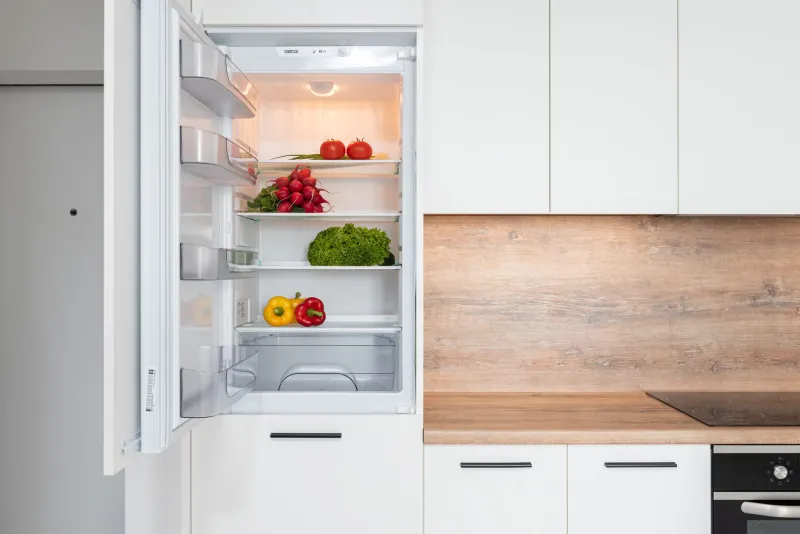
Check where the fridge actually lives. If it is wedged next to the oven, pressed against a radiator or sitting in a sunny patch of a south-facing kitchen, it is working harder than it should. A fridge jammed beside a heat source is basically a warm cupboard with a light inside. Leave a gap for airflow, keep the back vents clear, and do not fill the shelves so tightly that cold air cannot move.
If you live in a rented flat where the fridge is fixed in the worst possible spot, work with what you have. Keep the thermostat set correctly, avoid opening the door every five minutes, and use the coldest zones for the most vulnerable food: leafy greens, cut fruit, nut milks, soaked nuts and anything you have sprouted at home.
The fridge is a system, not a shelf
Most of us treat the fridge like a cupboard that happens to be cold. In a warm flat, that habit gets expensive. Raw food needs a bit of structure.
Keep delicate leaves and herbs in a lidded box with a piece of kitchen paper, not loose in a drawer that is already full of muddy carrots. Store cut fruit and vegetable sticks in clean containers. Label nut milks and dressings with the date, because a jar of cashew cream can go from lovely to questionable faster than you think. Keep raw items covered so they do not pick up smells or drip onto other food.
The door is the warmest part, so do not store your most perishable raw ingredients there. Use it for mustard, tamari, chutneys and things that are already acidic or salty. The salad drawer is not a compost heap: if it has turned into a soup of old cucumber and forgotten parsley, give it a five-minute reset before the weekly shop.
Fermentation when the thermostat says 21C
Fermenting in a heated flat is a lesson in patience and observation. Sauerkraut and kimchi generally like a steady 18C to 22C, but a warm kitchen can push a jar faster than you expect. Faster is not always better. It can mean soft textures, fizzy overflow and a flavour that gallops past tangy into sharp.
Find the coolest internal corner you have. A cupboard away from the radiator, a lower shelf in a pantry, or the floor of a shady corner can work better than the worktop. Keep jars out of direct sunlight and away from the oven. Use smaller jars so you can move them easily if the flat suddenly warms up. Keep the vegetables under the brine, taste often, and trust your senses alongside your recipe.
Kahm yeast, that pale, wrinkly film on top, is a nuisance rather than a disaster. Fuzzy mould is a stop sign. If a ferment smells wrong, looks furry or has gone slimy, bin it. Fermentation is not a dare. In very warm spells, you can slow things down by moving a jar to the fridge once it has reached the flavour you like.
The warm windowsill: use it for herbs, not hummus
A sunny windowsill in November can feel like a gift. It can also swing from chilly at night to surprisingly hot by mid-afternoon. That is not a safe place for cut produce, sprouted seeds or jars of fermenting vegetables. Light degrades some foods, heat speeds up spoilage, and condensation does nobody any favours.
Use the windowsill for what it is good at: keeping a bunch of parsley or coriander going in a glass of water, growing a few windowsill herbs, or ripening a tomato if you must. Do not use it as an extra shelf for raw lunches. If you need more cold storage and the fridge is full, a cool bag with an ice pack is a better temporary fix than a warm ledge behind the curtains.
Plan no-cook meals around the flat's rhythms
Raw meal planning in a warm flat works best when you shop little and often, prep components rather than finished bowls, and keep the cold chain intact from shop to shelf. Take a cool bag to the market or supermarket if you are buying anything chilled. Put raw ingredients away first when you get home, before you deal with the bags and the post.
Think in parts: a jar of dressing, a box of washed leaves, some grated carrot, a portion of soaked nuts, a tub of grain salad. Assemble lunch at the last minute rather than hours before you eat it. If you are taking food to work, keep it in the fridge until you leave and use a cool bag or insulated lunch box. A raw bowl that sits on a warm desk all morning is not a bargain; it is a risk.
This is also where the Budget & Everyday approach pays off. Smaller shops mean less waste. A freezer drawer filled with frozen berries, peas and chopped spinach gives you cold ingredients without demanding fridge space. Cooked or frozen components are not cheating; they are sensible. The goal is vibrant raw food that is actually safe to eat, not a fridge-shaped museum.
A five-minute weekly reset
Once a week, do a quick temperature check. Look at the fridge thermometer, clear any condensation, wipe the salad drawer, rotate older items to the front and label anything you have made. Move ferments if the flat has warmed up. Check the windowsill for sad herbs. It is not a grand system, but it is the difference between a raw kitchen that works in a British winter and one that quietly loses its nerve every time the heating comes on.
Your flat can be warm. Your socks can be fluffy. Your greens, ferments and no-cook lunches just need their own cold little plan. That is not fussy. That is how you keep the crunchy, bright, plant-forward food coming all through the cosy months.