The Patience Jar: Soaking and Sprouting Cheap Grains for Raw British Kitchens
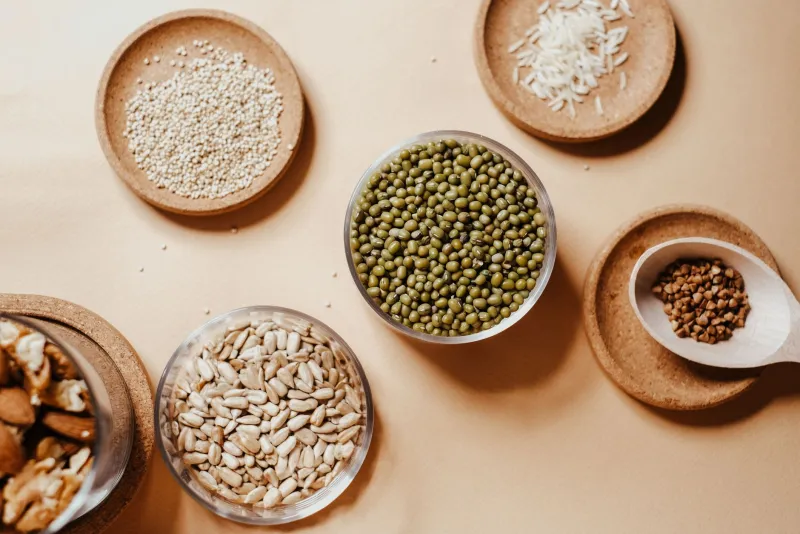
There is a particular kind of satisfaction in opening the fridge and finding four jars of grains doing quiet, useful work. No cooking, no fanfare, no expensive powders. Just buckwheat, oats, quinoa and maybe a few wheat berries, plumped up and ready to be folded into breakfast, lunch or a cracker mix. It is the least glamorous corner of raw food and arguably the most practical.
Grains are cheap. Properly cheap. A kilo of oats costs less than a coffee. Buckwheat, quinoa and wheat berries sit in bulk bins and Asian grocers for a fraction of what the little 'sprouting' pouches cost. The catch is that raw grains are dormant and hard. Soaking wakes them up; sprouting takes them a step further. Neither process requires a science project, but both reward a bit of routine.
Start with the grains that forgive you
Not every grain is a natural fit for a raw British kitchen. The ones that work best are the ones that soften without turning to paste and sprout without throwing a tantrum.
Buckwheat is the reliable one. It is not actually wheat, so it is gluten-free, and it has a nutty, slightly earthy flavour that holds up in bowls and crackers. Look for raw buckwheat groats, not kasha, which is toasted. Oats are the budget hero, especially jumbo oats, which keep some bite after soaking. Quinoa is fussier but manageable if you rinse it well to remove the bitter saponin coating. Wheat berries are chewy and substantial, good for people who want texture and don't mind a bit of jaw work.
Rye berries and barley can be soaked too, but they are tougher and less forgiving raw. If you are new to this, start with buckwheat and oats and add quinoa once you have the rinsing habit.
The jar, the rinse, the fridge
The method is simple enough to write on the back of a shopping list. Put one part grain in a clean jar, add three parts cold water, cover with a piece of muslin or a loose lid, and leave it on the counter overnight. In the morning, tip it into a sieve, rinse thoroughly under cold running water, drain well and put it back in the jar. Rinse twice a day for one to three days, depending on the grain and the temperature of your kitchen. When little tails appear, move the jar to the fridge.
That is it. The variables are cleanliness and temperature. Use clean jars, clean hands and clean water. Don't cram the jar full, because the grains need air. Don't leave sprouting grains in a warm spot for days on end. Once they are sprouted, keep them cold and use them within three or four days. If they smell sour, feel slimy or show any mould, bin them. This is not a place for optimism.
A word on safety: raw sprouted grains are a higher-risk food than cooked grains, particularly for people who are pregnant, elderly, very young or immunocompromised. If that applies to you, or if you are feeding someone in that group, cooked grains are the safer choice. Raw food is not a personality test, and there is no shame in a gentle warm-up.
What raw actually means for grain
Raw grains are hard. Soaking softens them; sprouting changes their texture and makes them easier to eat. But some grains are still better with a little heat, and pretending otherwise is how people end up with disappointing lunches. Soaked oats are lovely; raw wheat berries are chewy to the point of stubborn. Quinoa works well sprouted, but it needs thorough rinsing. Buckwheat is the most versatile raw grain in the cupboard.
If you want to make crackers, you can dry a soaked buckwheat and flax mixture in a dehydrator at low temperature. If you don't have one, a very low oven with the door slightly open will do the job, though it is no longer strictly raw. Use your judgement. The point is to eat more plants, not to win an argument.
The budget route: where to buy
This is where the savings live. Supermarket own-brand oats are perfectly good. Asian grocers often sell buckwheat and quinoa far cheaper than health food shops. Zero-waste shops and wholefood co-ops let you buy a kilo at a time without paying for packaging or branding. Even the bigger supermarkets now stock quinoa and buckwheat in the world foods aisle.
Expect to pay around 90p to £1.50 for a kilo of oats, £3 to £4 for buckwheat, and £4 to £6 for quinoa. Wheat berries are usually inexpensive. Buy in amounts you will actually use within a couple of months. A 5kg sack of oats is only a bargain if you eat them.
Three ways to use the jar
Breakfast: soaked jumbo oats with grated apple, a spoon of nut butter, a squeeze of lemon and a splash of plant milk. Leave overnight; eat cold. It is porridge logic without the saucepan.
Bowls: sprouted quinoa or buckwheat folded through shredded red cabbage, grated carrot, chopped herbs, toasted seeds and a tahini-lemon dressing. Add something salty, like chopped olives or a crumble of feta if you eat dairy. The grain gives substance, not flavour.
Crackers: blitz soaked buckwheat with flaxseed, a little salt and enough water to make a thick paste. Spread thinly on a lined tray and dry low and slow. Break into rough shards. They keep for a week in a tin.
A week of rinses
Start two jars on Sunday evening. Rinse them Monday morning and evening, and again on Tuesday. By Tuesday night they should be ready for the fridge. On Wednesday, start two more jars. By the weekend you have a rotation: one jar for eating now, one for crackers, one for next week. It takes about two minutes a day.
The mistakes worth avoiding
Overcrowding the jar is the classic error. Grains need room to breathe. Not rinsing often enough is the second. Leaving the jar in a warm kitchen is the third. And buying a tiny packet of 'sprouting grains' for £6 when the same thing is sitting in a bulk bin for £2 is the fourth. The patience jar is meant to save money, not cost you a fortune in fancy packaging.
Soak, rinse, wait, repeat. It is not glamorous, but it is cheap, useful and quietly satisfying. The best thing in your fridge might just be the jar you forgot to fancy up.