Shave It or Save It: A Blunt Guide to Raw British Roots

Photo: raw shaved beetroot celeriac carrot slaw wooden board British kitchen, via static.toiimg.com
There's a moment in mid-November when the greengrocer's shelf gives up on leaves and goes full root. Bunched carrots, beetroot with the tops still attached, a celeriac the size of a small child's head, swede, parsnips, and kohlrabi if you're in the right shop. The default British response is to turn the oven on, and fair enough — a properly roasted parsnip is a wonderful thing.
But it isn't the only thing. A handful of these roots are genuinely better with no heat at all: crisper, brighter, and faster to get on the table than anything you'd roast. Others are unpleasant raw, and pretending otherwise is exactly how raw food earns its reputation for joyless chewing. So here's the blunt version — five roots worth shaving, grating or blending, and three that need a different plan entirely.
The rule of thumb: starch and age
Roots that are mostly water, sugar and fibre keep a clean snap when raw. Roots loaded with starch go chalky, hard and hard to digest. Age matters just as much. A small, young parsnip in early winter is a different vegetable from a big woody one that's been in store since October. Buy small where you can, and ask the person on the stall which ones are good this week — they know, and they're usually pleased to be asked.
Five roots that earn their place raw
Carrot — the reliable one
British carrots, especially the bunched ones with soil still on, are sweet enough raw to eat like a snack. Coarse-grate them, salt for ten minutes, then squeeze out the water — that single step turns limp shreds into something with bite. Pair with orange zest, cumin, mint and a few sultanas. If you've bought a bag of big old carrots, cut out the woody core before grating; it never softens.
Beetroot — earthy, sweet, divisive
Raw beetroot is crunchier and less sugary than the roasted version, with a proper earthy edge. Shave it thinly on a mandoline and dress with lemon, a little grated horseradish and yoghurt. Wear gloves unless you want pink hands for a day, and use the leaves too — wilted briefly in a warm pan or shredded finely into the salad. Small, firm beets are the ones to buy; the big ones are woody all the way through.
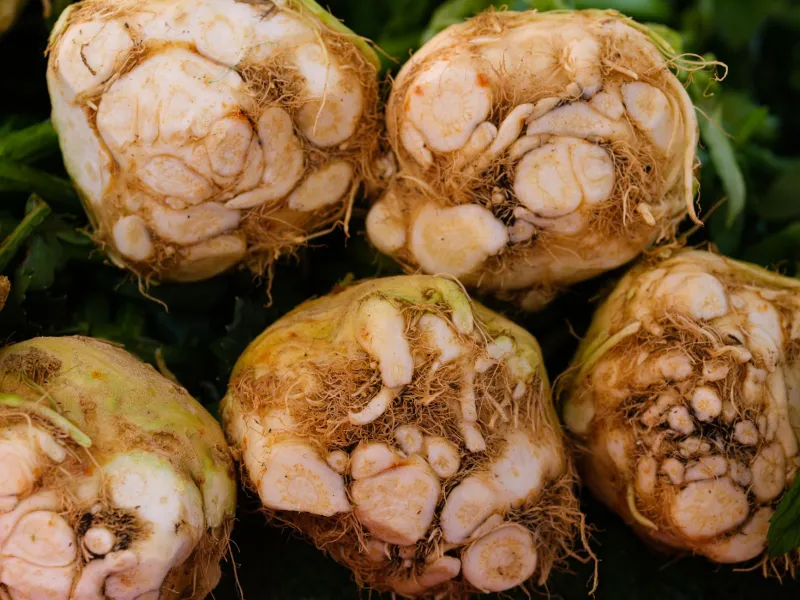
Celeriac — the ugly one that behaves
Peel it properly, then cut into matchsticks or shave thin and toss in lemon juice straight away or it browns. Raw celeriac tastes like celery that's been to finishing school: creamy, nutty, a little sharp. The classic remoulade treatment — yoghurt, Dijon mustard, lemon — is hard to beat. Don't grate it too finely; it goes sludgy fast.
Kohlrabi — the one your greengrocer is hiding
Crisp, sweet and faintly of broccoli stem, kohlrabi is one of the great underused vegetables on a British stall. Peel the thick outer layer, then slice into batons or shave into rounds. It loves apple, poppy seeds and a sharp vinaigrette. If your shop doesn't stock it, ask — it's grown here and it turns up more often than people realise.
Jerusalem artichoke — the risky reward
Sliced paper-thin, raw Jerusalem artichokes are nutty, crunchy and oddly elegant — closer to water chestnut than to the knobbly thing you bought. Scrub rather than peel if the skin is thin, then shave on a mandoline and dress with lemon and a little good oil. Fair warning: they have a reputation for wind, so start with a small handful and see how you get on.
Three that need a different plan
Potato. No. Raw potato is starchy, unpleasant and not something to experiment with. Cook it.
Sweet potato. Also no, despite what a smoothie recipe may have told you. It's hard, chalky and heavy on the digestion. Roast it, steam it, mash it — just don't grate it into lunch.
Parsnip. This one's conditional. A small, young parsnip shaved very thinly and dressed sharply with lemon and mustard is genuinely lovely — sweet and peppery at once. A big old one is woody, bitter and a chore to eat. If you're not sure which you've got, roast it. That's not a failure; it's just the correct plan for that parsnip.
The raw root slaw formula
Once you've got the hang of it, you don't need a recipe. Use this ratio and swap the roots around:
- 400g firm root, grated or shaved (carrot, celeriac, beetroot, kohlrabi, or a mix)
- 1 crisp apple or pear, cut into matchsticks
- A sharp allium — half a small red onion, two spring onions, or a finely shredded leek
- Acid — juice of half a lemon plus a teaspoon of cider vinegar
- Creaminess — 3 to 4 tablespoons of yoghurt, or a tahini-and-lemon dressing if you want it dairy-free
- Salt, a good pinch, added to the root first and left for ten minutes
- Crunch and freshness — toasted seeds, chopped parsley or dill
Salt the root, squeeze it, then toss everything together and let it sit for a quarter of an hour before eating. It improves. Variations worth trying: beetroot with horseradish and dill; celeriac with mustard and capers; carrot with cumin and sultanas; kohlrabi with apple and poppy seed.
Shopping, storing, spending
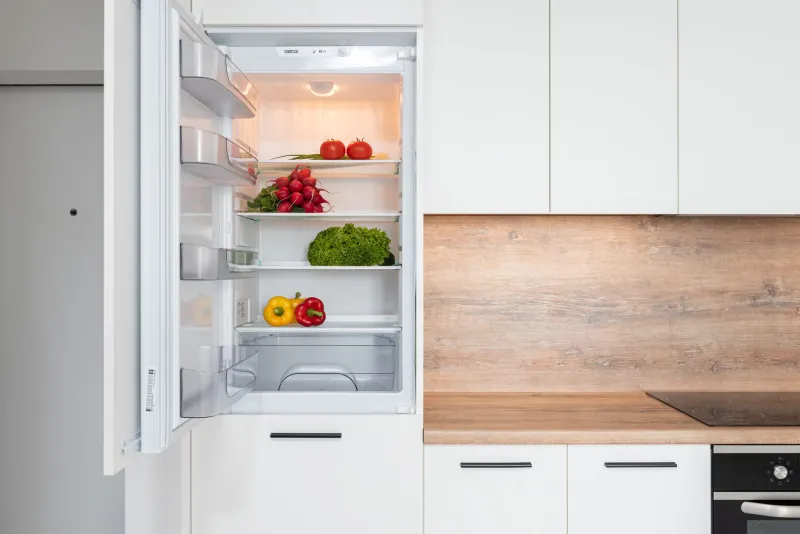
Buy roots that feel heavy and firm, with no soft patches or damp spots at the top. Keep them cool and dark — a fridge drawer is fine, a cold cupboard is better — and grate them just before you eat, because raw roots lose their snap quickly once cut. Carrots and beetroot are the bargain end of the shelf; celeriac and kohlrabi cost a little more but go a long way, and almost all of the vegetable is usable. That's the quiet joy of the November root shelf: it's cheap, it keeps, and half of it doesn't need the oven at all.