The Wrinkled All-Rounder: A Raw Cook’s Case for Passion Fruit in November
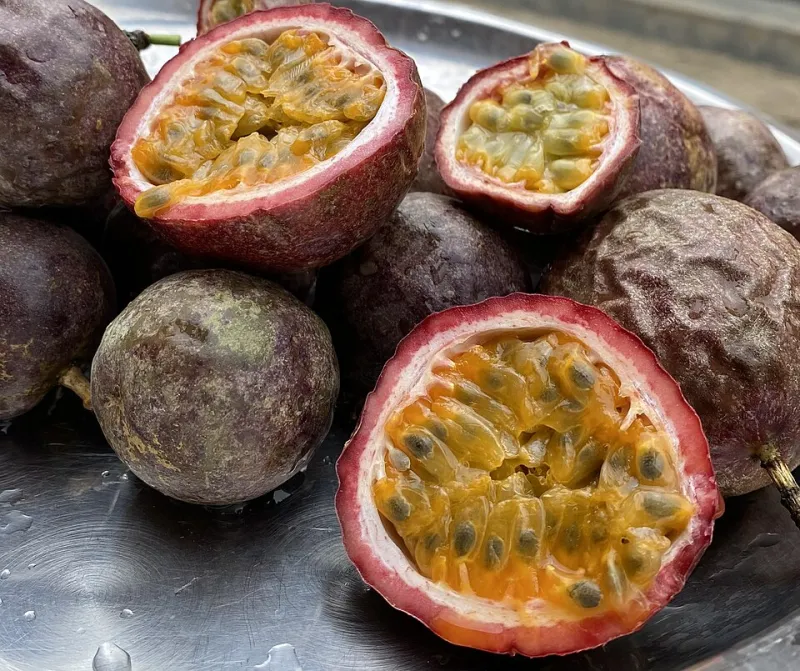
Photo: Nana Pearls, CC0, via Wikimedia Commons
Passion fruit has a reputation problem in Britain. It turns up in cocktails and cheesecakes, gets admired for its perfume, then disappears again, filed under summer. That is a shame. In a raw winter kitchen, the wrinkled little fruit is less a tropical novelty and more a very useful bottle of acid and aroma. One fruit can lift a bowl of yoghurt, sharpen a dressing, finish a plate of raw roots and make a no-cook pudding taste as if someone spent longer on it than they did.
At Passion Raw, we are not asking you to build a winter bowl around imported fruit. We are asking you to treat passion fruit as a seasoning with benefits: sharp, fragrant, seedy and surprisingly stretchy. Used well, it earns its place beside celeriac, parsnip, beetroot, kale and walnuts. Used badly, it becomes a puddle of tropical juice that makes everything taste like a smoothie. The difference is in how you buy it, ripen it and balance it.
The case for a wrinkled fruit
A smooth, shiny passion fruit is usually underripe. It will be tart and thin, with pulp that clings to the shell and seeds that refuse to release. The good ones look a bit tired. Deep wrinkles, a leathery shell and a heavy feel for their size are all signs that the pulp has sweetened and the aroma has developed. In a British supermarket in November, you will often find a mix of both on the shelf. Pick the wrinkled ones if you plan to eat them within a day or two. Pick smoother ones if you are happy to wait.
November is not British passion fruit season, so the fruit on offer is imported. Common origins include Colombia, Peru and Kenya, and availability is generally steady rather than exciting. This is not a local-season ingredient, and it should not pretend to be. But it is a useful one, especially when the raw winter larder is heavy on roots, greens and nuts and short on brightness.
How to buy passion fruit in a British supermarket
Loose fruit is usually the best bet if you only need one or two. Prices vary, but expect roughly 70p to £1.20 per fruit loose, or £2 to £3.50 for a pack of four, depending on the shop and the week. That is not pocket change, so buy with a plan. One fruit yields about two tablespoons of pulp, which is enough to season two to four portions if you are using it as a dressing or a topping rather than a main ingredient.
Check the shell for mould, soft patches or a vinegar smell. A little shrivelling is fine; a wet, collapsing patch is not. If the fruit feels very light, it is probably dried out inside. If it feels heavy and smells fragrant at room temperature, it is ready. Supermarket packs are often sealed, so give them a gentle squeeze through the plastic and choose the pack with the most wrinkled fruit if you want to use it straight away.
Ripening and storage without fuss
If your passion fruit is smooth, leave it on the kitchen counter for a few days. A paper bag with a banana speeds things along, but check it daily. Once it is wrinkled and fragrant, use it or move it to the fridge, where it will keep for about a week. Cut fruit should be scooped into a small lidded jar and kept in the fridge for up to two days. If you have more pulp than you need, freeze it in an ice-cube tray. Each cube is a handy portion for dressings or yoghurt.
Do not discard the seeds. They are edible and give a useful crunch. If you want a smoother dressing, press the pulp through a sieve and keep the seeds for scattering over the top. That way you get both the juice and the texture.
One fruit, four jobs
Job one: the yoghurt and chia spoon
Spoon half a passion fruit over plant yoghurt or a soaked chia pudding. Add a little orange zest, a pinch of salt and a few toasted? No, keep it raw: a few raw walnuts or pumpkin seeds. The acid cuts through the creaminess and the seeds give you something to chew. This is the fastest way to make a plain breakfast feel deliberate.
Job two: the sharp dressing
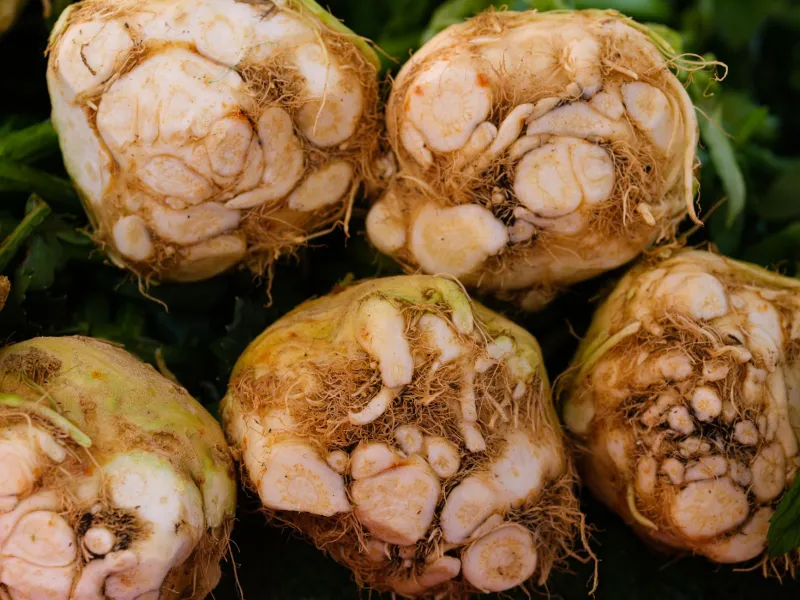
Whisk one passion fruit’s pulp with two tablespoons of olive oil, a teaspoon of Dijon mustard, a teaspoon of maple syrup and a good pinch of salt. Taste it. If it is too sharp, add a little more oil; if it is too flat, add a squeeze of lemon. This dressing is excellent on raw kale that has been massaged with salt, or on a shaved celeriac and apple salad. It also works as a finishing drizzle over raw beetroot ribbons.
Job three: the no-cook pudding jar
Soak cashews overnight, then blend them with lemon juice, maple syrup and a splash of water until smooth. Layer the cream in a small jar with passion fruit pulp and a raw crumble made from chopped walnuts, dates and a pinch of salt. Leave it in the fridge for an hour. It tastes like a proper pudding, but it is really just nuts, fruit and a bit of patience. One passion fruit is enough for two small jars.
Job four: the root-and-greens finisher
Use passion fruit where you would use lemon. A little pulp stirred into a raw Brussels sprout slaw, or spooned over shaved parsnip with hazelnuts, brings a floral sharpness that lemon cannot quite manage. Add a pinch of salt and a drizzle of good oil. Keep the rest of the bowl earthy and nutty so the fruit has something to push against.
Balancing tropical sharpness with British ingredients
The trick with passion fruit is not to let it dominate. It is loud. Pair it with ingredients that can take a bit of acid and aroma: raw celeriac, parsnip, beetroot, carrots, kale, Brussels sprouts, sweet chestnuts, walnuts, hazelnuts and pumpkin seeds. A little maple syrup or date syrup rounds the edges. Salt makes the fruit taste sweeter. Olive oil carries the aroma. Mustard adds a savoury note that stops the whole thing tasting like pudding.
If you are using passion fruit in a dessert, keep the sugar low and the texture varied. The seeds are your friend. A raw cashew cream, a nutty crumble and a spoon of passion fruit is a better combination than a sweet, smooth mousse with no bite. If you are using it in a savoury bowl, treat it as you would a lemon: a finish, not a base.
The cost question
Passion fruit is not a budget ingredient in the way that carrots or oats are. But it is a stretch ingredient. One fruit can flavour two dressings, two puddings or four yoghurt bowls. If you buy a pack of four, plan to use two straight away and freeze the pulp from the other two. That turns a £3 pack into several small moments of brightness across the week. Compare it to a bottle of dressing or a tub of flavoured yoghurt and the maths looks friendlier.
A small ritual worth keeping
There is something satisfying about cutting open a passion fruit on a grey November morning. The smell arrives before the spoon does. It is not local, it is not cheap, and it is not trying to be a British root vegetable. It is simply a very good seasoning with a bit of theatre. Keep one in the fruit bowl, let it wrinkle, and use it to wake up the raw winter bowl. That is a small luxury worth making room for.